

Blog
Common Crop Pests and How to Control Them Effectively

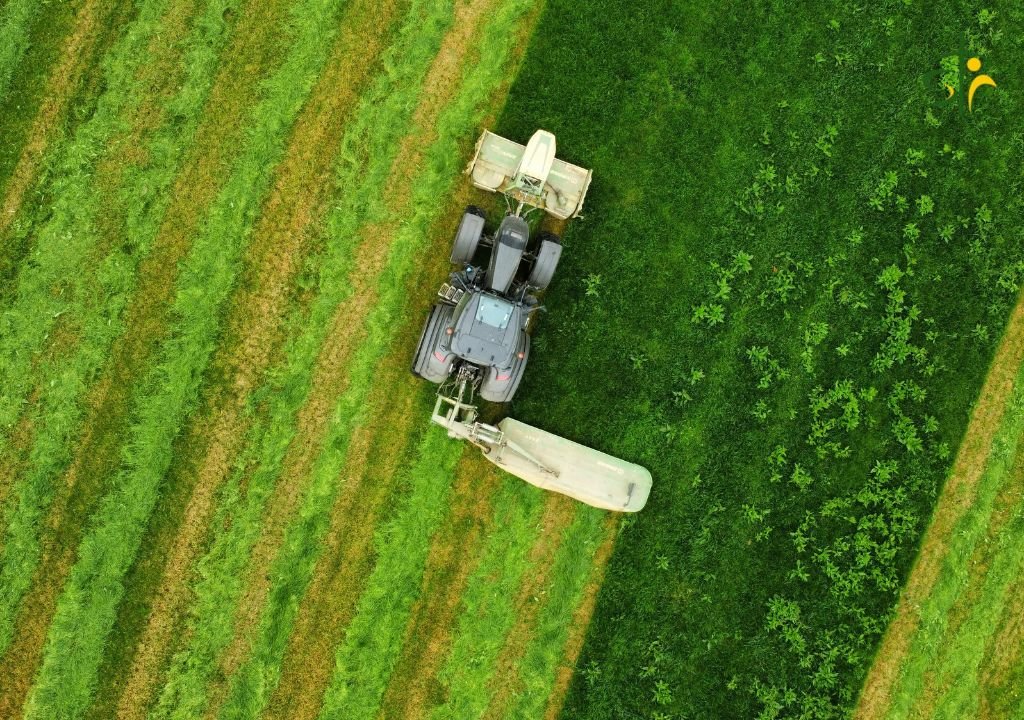
Crop pests are one of the major challenges faced by farmers, causing significant yield losses and reduced crop quality if not managed properly. Insects such as aphids, caterpillars, whiteflies, stem borers, and mites attack crops at different growth stages, damaging leaves, stems, and fruits. Effective pest control requires early identification, timely intervention, and the use of appropriate crop protection solutions.
One of the most important steps in pest management is regular field monitoring. Farmers should inspect crops frequently to detect early signs of infestation, such as leaf discoloration, holes, or unusual plant growth patterns. Early detection allows for faster action and prevents widespread damage.
Modern insecticides play a crucial role in controlling pests efficiently. Selecting the right product based on pest type, crop stage, and environmental conditions ensures better results while minimizing unnecessary chemical use. Integrated pest management practices, including crop rotation, resistant varieties, and biological controls, can further enhance effectiveness.
Proper dosage, correct application methods, and safety precautions are equally important to achieve optimal pest control and protect both crops and the environment. By adopting scientifically guided pest management strategies, farmers can significantly reduce losses and improve productivity.

