
Blog
Choosing the Right Fertilizer for Different Crops Guide

Selecting the correct fertilizer is essential for achieving healthy plant growth, improved yields, and sustainable soil productivity. Different crops have unique nutrient requirements, and understanding these needs helps farmers make better fertilizer decisions.
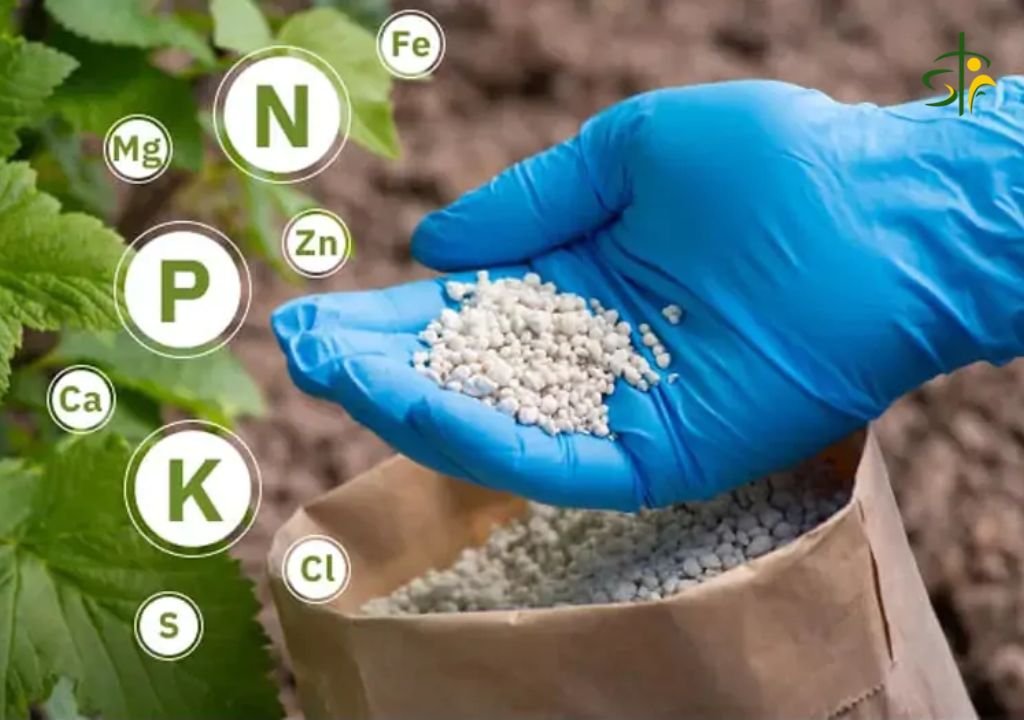
Primary nutrients such as nitrogen (N), phosphorus (P), and potassium (K) play key roles in plant development. Nitrogen supports leafy growth, phosphorus promotes root development and flowering, while potassium enhances overall plant strength and resistance to stress. In addition to these, micronutrients like zinc, iron, and boron are also critical for balanced crop nutrition.
Soil testing is one of the most effective ways to determine nutrient deficiencies and avoid over-application. Applying fertilizers based on soil analysis ensures efficient nutrient use and prevents wastage. Crop growth stages also influence fertilizer requirements, with different nutrients needed during germination, vegetative growth, and flowering stages.
Both organic and chemical fertilizers can contribute to improved soil fertility when used responsibly. Integrated nutrient management practices — combining organic matter with balanced fertilizers — help maintain soil health while maximizing productivity. By selecting the right fertilizer at the right time, farmers can achieve better crop quality, higher yields, and improved profitability.

